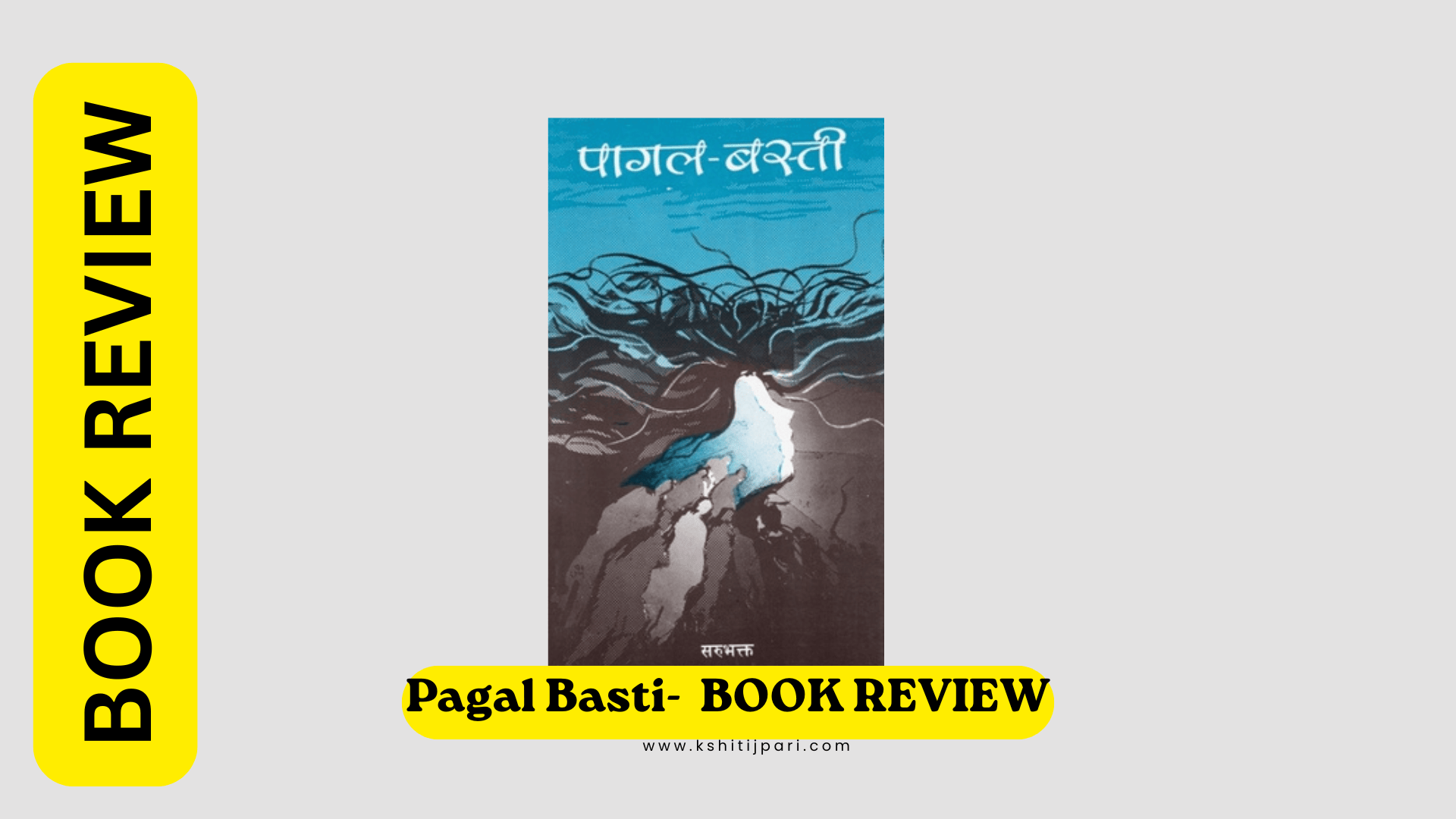

Pagal Basti is a very famous Nepali novel. It was written by the highly respected Nepali author, Sarubhakta. The book is so powerful and well-written that it won Nepal’s biggest literary award, the Madan Puraskar, in the year 2048 BS (1991).
This book is not just a basic story about a village. It is a deep, emotional journey into human love, pride, ego, and the search for spirituality. If you are looking for a simple and easy guide to understand this classic book, you are in the right place. Welcome to our complete Pagal Basti book review.
Table of Contents
Quick Facts About Pagal Basti
Search engines and readers love quick information. Here are the most important details about the novel:
| Feature | Book Details |
|---|---|
| Book Name | Pagal Basti (पागल बस्ती) |
| Author | Sarubhakta |
| Main Characters | Prashant (Adiguru) and Martha |
| Core Theme | Ego (Aham) vs. Love in a Utopian Society |
| Setting | Pokhara, Ghandruk, and the Annapurna Region |
The Story Structure in this Pagal Basti Book Review
The story structure in this Pagal Basti book review is very unique because the novel is cleverly divided into two distinct sections. The first part builds mystery and curiosity through the eyes of a first-person narrator who is a young reporter holding a diploma degree in reporting. While searching for a good story, his trekking journey to Ghandruk leads him to become deeply curious about a mysterious place called Pagal Basti. In these early pages, the author provides lively, beautiful descriptions of the natural mountain canvas.
The descriptions of Pokhara, various villages, and the local villagers are very vivid and realistic. You will meet fictional characters that feel incredibly real, such as the sad Maranchyase Tea Maker, the mad man Bhakte, the local school teacher, and the mistress of a lodge house. This entire first part focuses on old rumors about the village, presenting a Gothic and almost unbelievable story of the neighborhood. The narrator is determined to expose the true story of this mysterious place, making the first chapter feel almost like a magical fantasy story.
However, the plot changes from simple curiosity to deep exposition when the female protagonist, Martha, enters the story in the second section. At this point, the narration style shifts from a first-person view to a third-person omniscient view, meaning the narrator now knows everything happening in the story. We quickly discover that the neighborhood is not a place for mad people at all. Instead, it is something extraordinary and entirely out of this world. It is a completely different kind of spiritual world. This incredible Utopia was established by the male protagonist, a man named Prashant.
Inside the Pagal Basti Utopia
You might wonder why it is called a village of mad people. In our normal society, if you just smile for no reason, people might call you mad. If you act differently or think differently, society quickly calls you a lunatic. But this village is actually a perfect and peaceful world. This small world is a true Utopia filled with pure kindness.
Prashant dreamed of a perfect world where no one is judged by their money, religion, gender, or knowledge. In this special village, people are completely free to live with total liberty and peace. They can use their skills, work hard, and enjoy freedom without anyone from the outside world judging them. They built a perfect place that is totally separate from the cruel and selfish outside world. It acts like its own independent country. It is truly a separate world hidden inside our world.
Furthermore, this special society has everything the people need. It is fully equipped with a strong education system and a work system where people choose their own jobs. It has great health care, very smart doctors, and total democracy. They have built specific places for all their daily needs.
For example, they have a place to make everyday goods. They have a special school to give basic and spiritual education to everyone who lives there. They also have a health center to care for sick and older people. Prashant introduces big ideas like being a world citizen. He calls himself the first teacher, or Aadi Guru. He creates a first mother, or Aadi Mata, and builds a first temple. Prashant is the founder of this entire settlement and all these amazing places.
The Clash of Two Philosophies
No Pagal Basti book review is complete without looking closely at the main conflict. The story is a beautiful but sad battle between two very strong ideas. These ideas are ego and love. Prashant strongly believes in extreme ego, which he calls aham. He believes that every single human feeling and thought is totally selfish and centered on the ego. He thinks the world is burning in a huge fire of ego. Strangely, he believes the only way to put out this fire is by using more ego.
According to his ideas, knowing the deep secrets of a selfish world is exactly the same as becoming free from that selfishness. He argues that the whole world, including holy people like Christ and Buddha, is guided by extreme ego. He says people only worship Buddha and Jesus because they want to escape their own sadness. He believes humans should create new ideas instead of just blindly following old rules. He strongly believes in his own mental rebirth in Pokhara after Martha completely refused his love in the past. Now, he sees his ego philosophy as the only absolute truth, completely rejecting love, pain, and hate.
On the other hand, Martha’s arrival brings huge emotional problems to Prashant’s perfect world. She completely disagrees with his ideas. She believes the whole world should be guided by pure love. She firmly feels that all humans need affection, caring, and sharing, not endless ego and pride. She thinks that worshiping the ego is only for proud and foolish people. She believes that pride always leads to pain and destruction. Her personal beliefs changed as she grew older. First, she was guided by pride. Then, she felt a lot of guilt and pain. Finally, she arrived at pure, true love. She thinks love and ego are total opposites. She firmly believes that one day, love will completely defeat ego and make the world a better place.
Hidden Symbols in the Pagal Basti book review
There are many hidden symbols in this novel that add deep meaning to the story, which we must mention in this Pagal Basti book review. The title itself is a big symbol. It shows how normal society harshly judges people who think differently. The village itself symbolizes a perfect, peaceful place that all deep thinkers dream about building but almost never achieve. There are many rich symbols hidden throughout the pages.
For example, the scary cry of an owl and the freezing, lonely mountain setting both reflect the sad feelings of the characters. One very powerful symbol is a dog named Bindu. This dog shows amazing, selfless behavior by feeding a newborn baby cow with her own milk. This animal’s pure act of natural love directly proves that Prashant’s theory of extreme selfishness is wrong.
Final Thoughts
To conclude our thoughts, this book is clearly a classic piece of Nepali art. The way the writer creates characters is brilliant. For example, Prashant has twelve followers, which is very similar to the twelve followers of Jesus in the Bible. The fresh and unique story does not disappoint the reader. In fact, it grips your attention tighter with every single page. The sad ending of the novel is completely fair and makes sense. The two opposite ideas of love and ego are impossible to mix together, which makes the ending feel very real and honest.
However, readers do have one big complaint about the story plot. The story of the young news reporter, who wanted to expose the village at the very beginning of the book, is left completely unfinished. The reader never finds out what happens to him after the second part starts. Even with this small mistake, it remains an extraordinary book. If you want a story that makes you think deeply about your own life, you should read this.
We hope this Pagal Basti book review helps you understand that balancing love, pride, and peace is the hardest journey a human can take. This book is a wonderful masterpiece that will always challenge readers to look deep inside their own hearts.
Frequently Asked Questions (FAQs) About Pagal Basti
What is the main message of the novel Pagal Basti?
The main message of the novel is the deep conflict between human pride (ego) and true love. It shows that creating a perfect society is impossible if people are blinded by their own selfish egos. Ultimately, the book teaches that human connection and love are much stronger than running away from your problems.
Where does the story of Pagal Basti take place?
The story is beautifully set in the Western region of Nepal. Most of the events happen around the famous city of Pokhara and the beautiful mountain village of Ghandruk. The author uses these real, cold Himalayan locations to make the fictional, spiritual village feel incredibly real and isolated.
Who is the real author of Pagal Basti?
The novel was written by a very famous Nepali poet and novelist named Bhakta Raj Shrestha. However, he is much better known to readers by his popular pen name, Sarubhakta. He is considered one of the greatest writers in modern Nepali literature.
Did Pagal Basti win the Madan Puraskar?
Yes, Pagal Basti won the Madan Puraskar, which is the highest and most respected literary award in Nepal. It won this huge honor in the year 1991 (2048 BS) because of its unique storytelling and deep psychological themes.
Why did Prashant change his name to Adiguru?
After a painful heartbreak when Martha rejected his love, Prashant traveled to the mountains to escape his pain. He changed his name to Adiguru (meaning “First Teacher”) to hide behind a mask of spirituality. He tried to build a new, perfect society to prove that he no longer needed human love, but he was actually just being driven by his own ego.
Is Pagal Basti a true story?
No, it is a fictional novel. However, the places mentioned, like Ghandruk and Pokhara, are real tourist destinations in Nepal. The emotions, the struggle between love and pride, and the social issues discussed in the book are also very real to human nature.