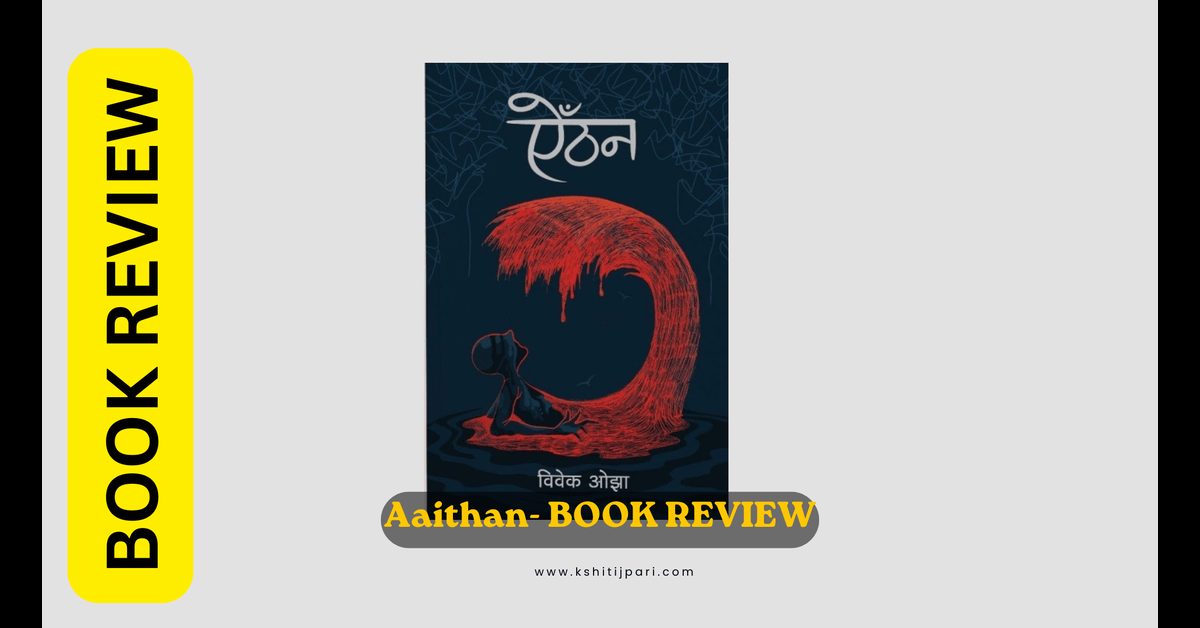

Aaithan by Bibek Ojha: A Brutally Honest Nepali Novel Review
Aaithan (ऐँठन) by Bibek Ojha is a highly acclaimed psychological Nepali novel that won the prestigious Madan Puraskar 2079 (awarded in 2023). Published by Sangri-La Books, the novel explores the deep psychological trauma, raw grief, and human tragedies suffered by ordinary villagers during Nepal’s 10-year Maoist civil war. If you are looking for an emotional, realistic, and historically grounded masterpiece, this Aaithan book review explains why it is a must-read.
Table of Contents
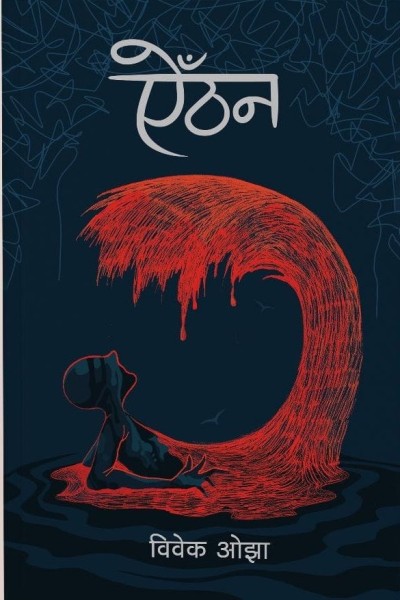
Aaithan Book Overview: Quick Facts
| Attribute | Book Details |
|---|---|
| Book Title | Aaithan (ऐँठन) |
| Author | Bibek Ojha |
| Publisher | Sangri-La Books |
| Award | Madan Puraskar 2079 BS |
| Genre | Historical Fiction / Psychological Drama |
| Core Theme | Nepalese Civil War, Human Traumas, Survival |
What is the Story of Aaithan? (Plot Summary)
The Nepali word Aaithan translates to a painful physical spasm or a feeling of deep nightmare-induced suffocation. The book perfectly matches this title by diving into the claustrophobic terror of war.
Instead of focusing on political leaders, military strategies, or ideologies, Bibek Ojha focuses entirely on ordinary citizens. The narrative strings together heartbreaking, realistic stories of villagers caught in the crossfire.
It highlights the absolute agony of separation, showing how normal people lost their homes, families, and sanity. The novel acts as a visceral monument to the civilians who paid the ultimate price for a conflict they did not start.
Why Aaithan is a Modern Literary Masterpiece
There are three major reasons why this book stood out among 313 submissions to claim Nepal’s highest literary honor.
1. Simple but Deeply Emotional Prose
Ojha writes in incredibly accessible, simple Nepali, yet his words carry immense emotional weight. You do not need an advanced vocabulary to feel the vivid fear, love, and grief of the characters.
2. An Unfiltered Look at Modern Nepali History
For younger generations or international readers who did not live through the insurgency (1996–2006), Aaithan is an eye-opener. It paints an authentic picture of rural life during those dark ten years, serving as a vital historical record.
3. Unforgettable, Relatable Characters
The characters feel like real people from a typical Nepalese village. Their desperate struggles to protect their children and survive the night make it impossible not to root for them.
Exploring the Core Themes
To truly understand the depth of this novel, we must look at the powerful themes the author tackles:
- The Agony of Separation: The war forces children away from their parents and farmers away from their ancestral lands. The author shows that the deepest wounds of war are emotional, not physical.
- The Burden on the Innocent: The novel highlights how poor, working-class villagers were squeezed between the state army and the Maoist rebels, living in constant fear of both.
- Trauma and Mental Health: The physical spasms (the Aaithan) the characters experience are symptoms of deep, untreated psychological trauma that lasted long after the war ended.
About the Author: Bibek Ojha
Bibek Ojha is a celebrated contemporary Nepali author known for his unflinching look at societal realities. Before winning the Madan Puraskar for Aaithan, he gained literary recognition for his novel Ailani. Ojha’s signature style involves deeply empathetic, humanist storytelling that prioritizes the lived experiences of marginalized and ordinary people over elite political narratives.
Things to Know Before You Read
While Aaithan is brilliant, it is definitely not a light, relaxing weekend read. The book contains intense themes of violence, torture, and heavy psychological trauma.
If you are looking for a breezy romance or a lighthearted comedy, you should skip this one. It is a serious, emotionally taxing book that requires a strong stomach for tragedy.
Final Verdict: Is Aaithan Worth Reading?
Our Rating: 4.8/5 Stars
Yes, Aaithan is absolutely worth buying and reading. It is a landmark achievement in modern Nepali literature that honors the memory of innocent victims.
Whether you are a student preparing for exams, a history buff, or a casual reader looking for a deeply moving story, this book deserves a permanent spot on your bookshelf.
Frequently Asked Questions (FAQs)
What does the word ‘Aaithan’ mean?
In Nepali, Aaithan (ऐँठन) refers to a muscle spasm, absolute physical agony, or the suffocating feeling of being trapped in a sleep-paralysis nightmare.
Why did Aaithan win the Madan Puraskar?
Aaithan won the Madan Puraskar 2079 because of its neutral, deeply humanist perspective on the civil war, prioritizing civilian suffering over political bias, delivered through exceptional storytelling.
How does Aaithan compare to Palpasa Cafe?
While Narayan Wagle’s Palpasa Cafe tells the story of the civil war mostly through the eyes of an urban artist, Aaithan takes a much more raw, rural approach, focusing heavily on the extreme suffering inside the villages.
Where can I buy the book Aaithan?
You can buy Aaithan by Bibek Ojha at major bookstores across Nepal, including Kathmandu pocket bookshops, or order it online via platforms like Thuprai, Daraz, or directly through Sangri-La Books.