

Jhola Movie Review
Title of the Movie- “Jhola”
Director- Yadav Kumar Bhattarai
Cast – Garima Pant, Desh Bhakta Khanal, Deepak Chhetri, Laxmi Giri, Pralhad Khatiwada
Genre- Social/Historical
Duration- 90 minutes
Release Date- 7 December 2013
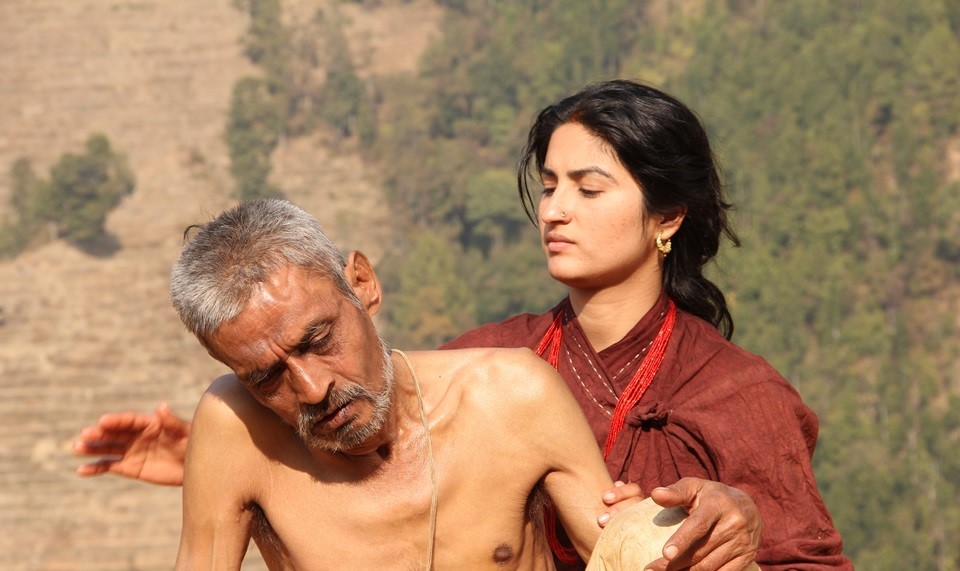
Jhola is a Nepali film based on Krishna Dharabasi’s short story ‘Jhola’. It depicts the realities of Nepali society about a century ago, specifically focusing on the Sati tradition. The film beautifully presents the issues of violence against women, raising the question for many: “Has Nepalese society really passed through such inhuman tradition?”
The plot follows the death of a young woman’s husband, where she is expected by tradition to be burned alive on his funeral pyre. She escapes the fire and hides in a cave, and the way her small son helps her is a central part of the story.
The scenes are presented with a focus on historical realism. Traditional tools like dhiki, janto, and madani are used to give the film an authentic look. Similarly, traditional lights like ranko and diyalo help represent the ancient environment to the audience. Beyond the Sati tradition, the movie also touches on the Kamara-Kamari (slavery) system.
The cinematography is stunning, and Garima Pant’s natural appearance and acting are key to the movie’s beauty. This is a must-watch film for those looking to understand our history. Don’t miss it
- Also Read
What is the main message of the Nepali movie Jhola?
The film serves as a historical critique of the Sati tradition and other dehumanizing social practices like Kamara-Kamari that were once part of Nepalese society. It encourages audiences to reflect on the progress made regarding women’s rights and social equality.
Why is Jhola movie considered a “must-watch” for all generations?
The film provides a realistic glimpse into the lives of our ancestors. Younger generations can learn about the history and hardships of the past, while older generations may find the portrayal nostalgic and emotionally resonant.
Was the acting in Jhola movie realistic?
Yes, the film is highly regarded for its realistic acting. Garima Pant’s performance was particularly noted for its naturalism; she reportedly did not apply makeup or bathe for long periods during shooting to fully embody the character’s struggle.
What makes the technical aspects of Jhola movie unique?
Unlike modern commercial films, Jhola avoided modern lighting and makeup. By using historical lighting (firelight) and handmade period clothing, the director successfully created a time-capsule effect for the audience.
Is Jhola movie based on a true story?
It is based on a story by a writer, but it reflects real, difficult traditions that actually existed in Nepal’s past.
Why do people say the acting is so good?
The actors worked very hard to be realistic. For example, Garima Pant did not use makeup and even worked in fields to look like a woman from that time period.
Who should watch this movie?
It is great for both young people who want to learn about the past and older people who might remember how life was years ago.
Jhola Movie Review
Jhola Movie Review
Tags : Jhola movie review, Jhola Nepali film, Jhola movie Sati tradition, best Nepali historical movies, Garima Panta acting, Krishna Dharabasi story, Sati Pratha in Nepal history, Yadav Kumar Bhattarai director, Nepali cinema social issues, Jhola movie plot summary, Nepali historical drama, traditional Nepali lifestyle, Kamara-Kamari tradition, Is Jhola movie based on a true story, What is the Sati tradition in Jhola, Why is Jhola important in Nepali cinema, realism in Nepali historical films, is Jhola a must-watch movie